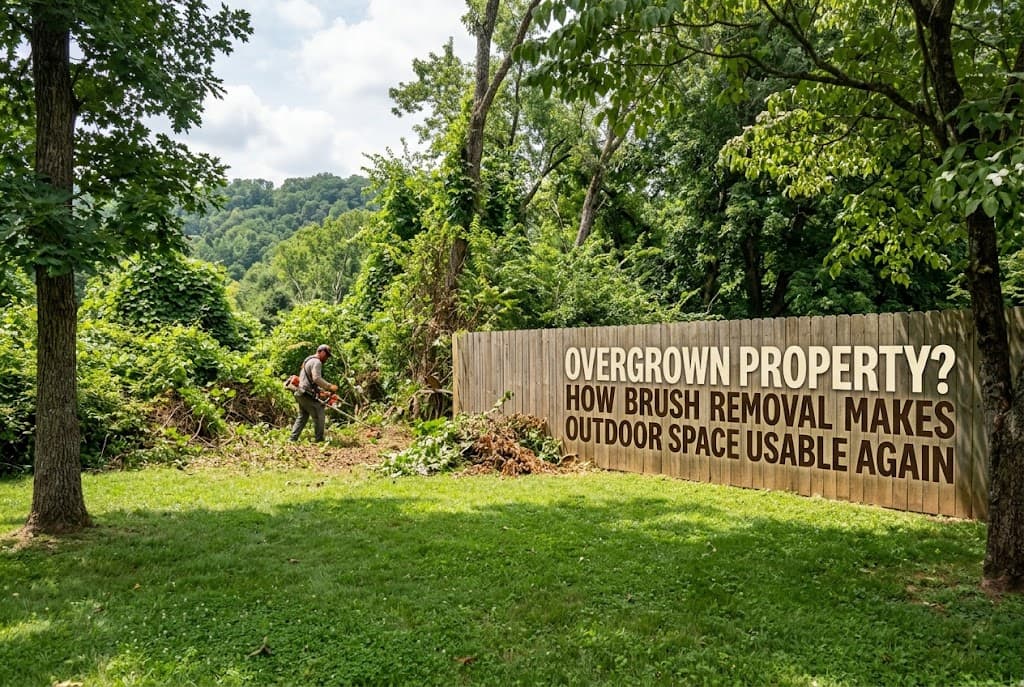
By August, an unused part of a Chattanooga property can feel impossible to enter. Vines cover an old fence, small trees fill the edges, and fallen branches disappear under new growth. The area may be larger than it looks, but clearing it without a plan can remove plants you wanted to keep or leave stumps and debris in the way of the next project.
Brush removal helps you regain access and see what the property actually contains. Wysong Tree Service clears unwanted brush and vegetation in Chattanooga and surrounding communities. Whether the goal is a usable backyard, a clear fence line, or a site ready for further work, the best result starts with a defined scope.
Decide what you want the area to become
Before asking anyone to cut, picture the finished space. Will it become a lawn, garden, walking path, play area, or simply a maintained buffer along the property line? Each goal calls for a different finish. A rough clearing may give access for an inspection, while a lawn project may also require stump work, grading, soil preparation, and future maintenance by other providers.
Walk the perimeter from a safe route and mark plants or trees you want to preserve. Do not force your way through dense growth to find a property corner. Hidden holes, broken glass, wire, and unstable limbs are possible. If the boundary is uncertain, verify it with appropriate records or a survey professional before authorizing clearing near a neighbor’s land.
Photographs from several angles can help explain the project. Point out gates, retaining walls, irrigation, drainage features, and overhead wires. Tell the crew if there is an old brush pile, a fallen tree, or discarded material under the vegetation. Those items may require separate work and should not be assumed to be part of a basic brush removal estimate.
Understand the difference between brush and larger tree work
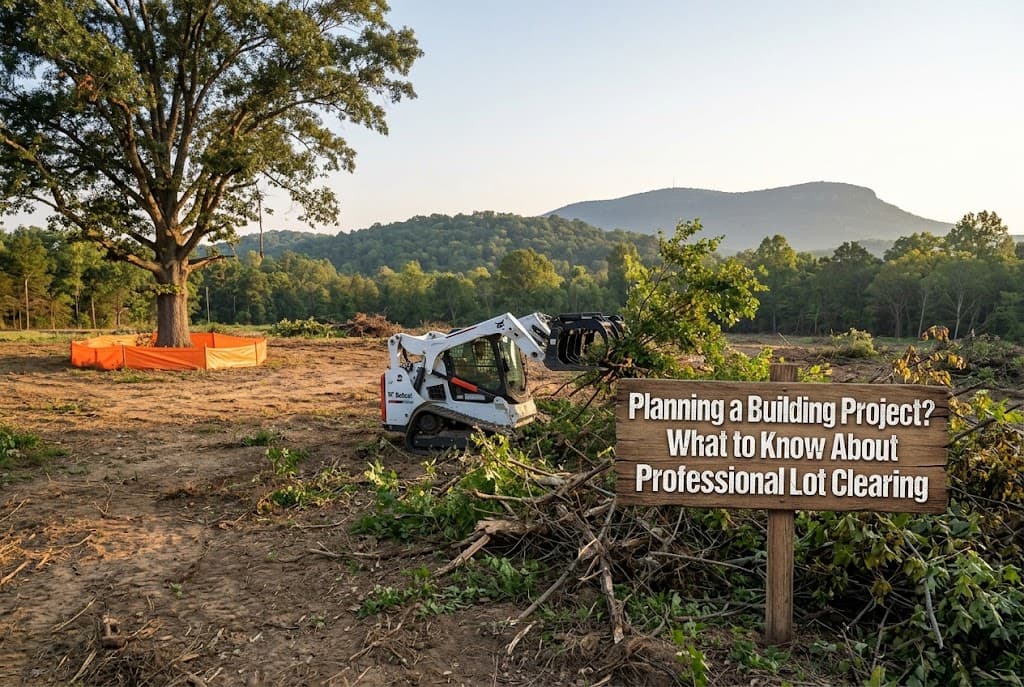
Brush commonly includes dense shrubs, vines, small trees, and scattered vegetation. A mature tree, large fallen trunk, or substantial stump may need a separate tree removal or grinding plan. A full building lot may require more extensive clearing and coordination with a contractor. Using the right terms helps you ask for the work you actually need.
For example, clearing around a fence can restore access without removing shade trees elsewhere in the yard. Removing brush around a dead tree may expose the area so the tree can be assessed, but it does not automatically resolve the tree concern. If you want both services, identify both during the estimate.
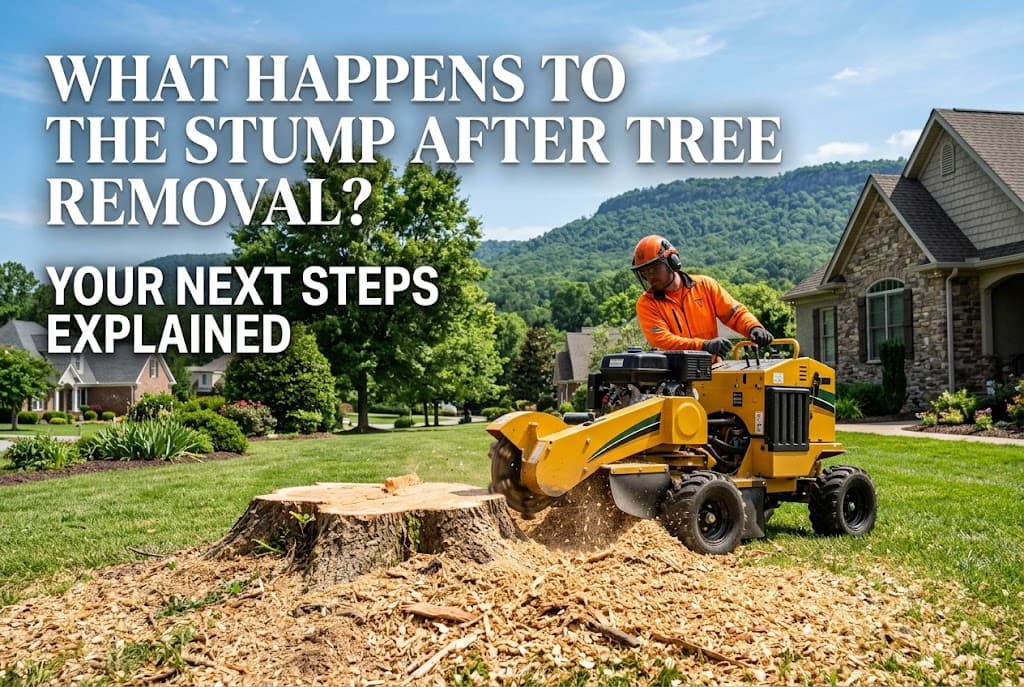
Ask what will happen to cut material. Will it be hauled away, chipped, stacked, or left on site? What happens to small stumps and roots? A clean-looking surface may still have obstacles beneath it. The answer matters if you plan to mow, plant, or walk through the area immediately after clearing.
Make room for safe, efficient access
The crew needs a practical route to the work area. Show gate widths, slopes, soft ground, nearby structures, and any areas where equipment should not travel. Moving vehicles or outdoor furniture before the scheduled visit may make access easier. Protecting the landscape you intend to keep is part of the plan.
If the ground is wet, equipment may leave ruts or compact soil, especially near trees you want to preserve. Ask how the crew plans to reach the site and whether conditions could affect timing. A narrow backyard may call for a different approach from an open commercial parcel. No single method fits every property.
Keep children and pets away from the work area. Don’t start cutting dense vines with a chainsaw just to help the crew get started. Growth can conceal wire, old fencing, and wood under tension. A clear description of the area is more valuable than a risky attempt to open it yourself.
Use clearing to find the next task
Once you remove vegetation, inspect what was hidden. You may find a fence that needs repair, a drainage path that needs attention, an uneven section of ground, or stumps that interfere with mowing. Brush removal reveals these issues; it does not necessarily fix them. Note which work belongs to a tree service and which belongs to a landscaper, builder, drainage contractor, or utility provider.
Do not cover a low area with chips and assume drainage has been corrected. Do not build a new path over remaining roots without planning the surface. If the area will be used for children or regular walking, address holes, protruding stumps, and loose debris before opening it for use.
A phased approach can help on a large property. Clear access first, reassess the site, then decide whether to remove additional trees, stumps, or brush. This avoids approving a broad clearing job before you can see what is worth preserving.
Keep the space from closing in again
New growth will return. The maintenance plan depends on the intended use and the plants present. Walk the cleared area regularly, remove small unwanted growth before it becomes dense, and check for fallen limbs after storms. If the space is to become a lawn or landscaped bed, arrange the soil and planting work promptly so the area does not remain bare and unmanaged.
Photograph the cleared boundaries and keep a record of what was removed. If the area follows a fence or drainage corridor, schedule periodic checks instead of waiting until growth hides access again. A property that is easy to enter is also easier to inspect for tree damage and maintenance needs.
Brush clearing can be a first step in a broader property project. Define success in practical terms: an open gate, a visible fence, an accessible yard, or a site ready for the next contractor. That makes it easier to tell whether the work is complete.
Wysong Tree Service helps Chattanooga area owners remove overgrown brush and plan related tree or stump work. Contact the team with photographs, access details, and your goal for the space to request an estimate and discuss a clear scope.
For commercial or larger residential properties, divide the project into zones. Identify the area that blocks access, the area that affects visibility, and the area reserved for a later landscape or building project. This lets you prioritize work without losing sight of the overall goal. It also helps you compare estimates that might otherwise use the vague phrase “clear the lot” for very different amounts of work. Ask the crew to walk the boundaries with you before cutting begins, and confirm the finish expected in each zone.
Remember that fresh growth can conceal changes in a tree. Once you remove the surrounding brush, a trunk, root flare, or broken limb may become visible. If you notice a concern, pause work around that tree until it can be assessed. A brush project can reveal a separate tree care need, but you should scope and explain both clearly.