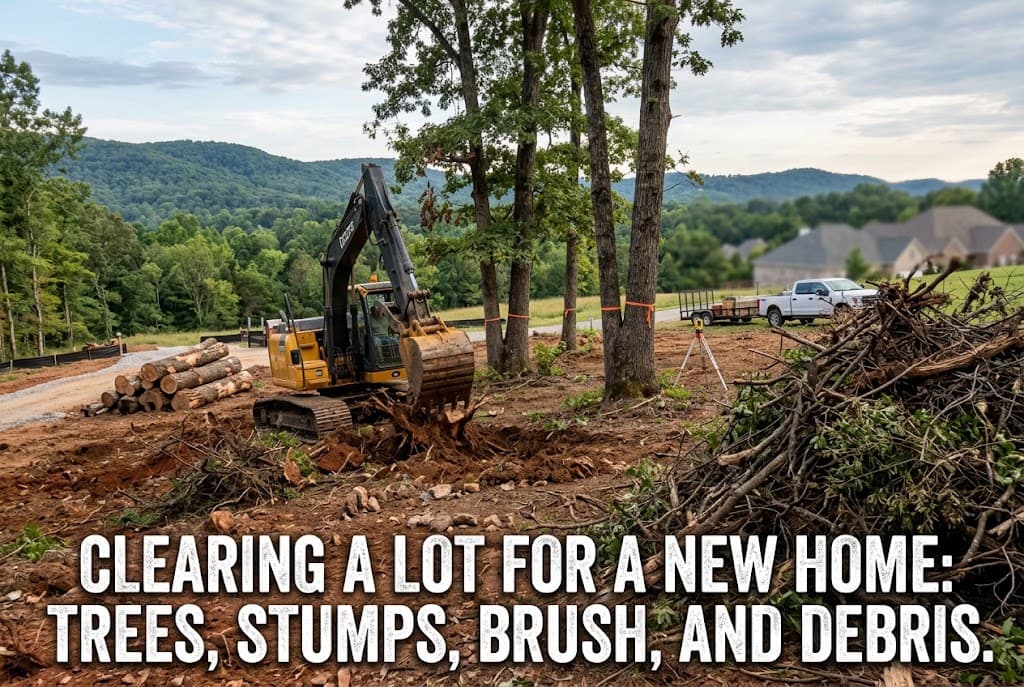
The first visible step toward a new home is often clearing the lot. That does not mean removing every tree or pushing all vegetation into a pile. The building footprint, driveway, utilities, drainage plan, and trees you hope to keep should shape the work. A clear plan can save the builder time and preserve the parts of the property that will make the finished home feel established.
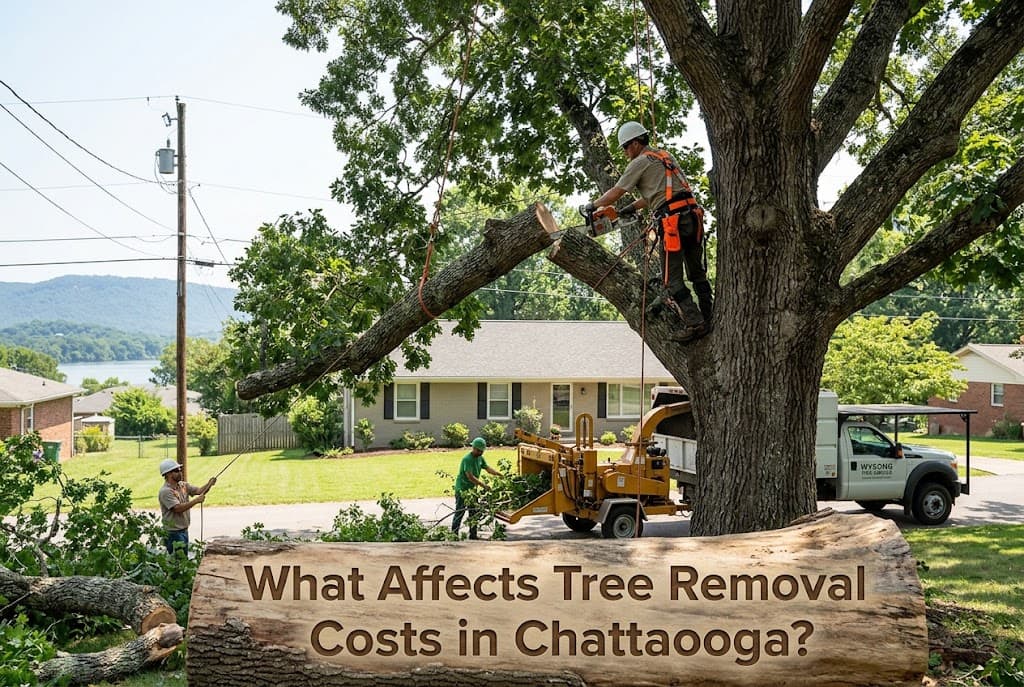
Wysong Tree Service handles lot clearing, tree removal, stump grinding, and brush removal in Chattanooga and surrounding communities. For homeowners, the most useful preparation is connecting the tree work to the construction plan. This guide explains how to do that before equipment arrives.
Bring the current plan, not a rough guess
Start with the most recent site plan from the builder or design team. Identify the house location, driveway, utility routes, and areas needed for equipment and material staging. The clearing limits may extend beyond the foundation, but they should still be intentional. If the plan is likely to change, ask the project manager when it will be firm enough to mark trees for removal.
Confirm property boundaries before authorizing work near a neighbor. A fence or edge of a mowed area may not mark the legal line. Resolve uncertainty with records or a survey professional. Then mark the trees to remove and the trees to retain in a way the crew and builder can both understand. Photographs and a simple marked copy of the plan help prevent different interpretations.
Ask the builder what condition the lot must be in for the next trade. Does the builder need only trees and brush cleared, or must stumps be ground and material hauled away? Will grading and excavation follow immediately? These details affect the scope and timing of the tree service.
Make a separate decision for each significant tree
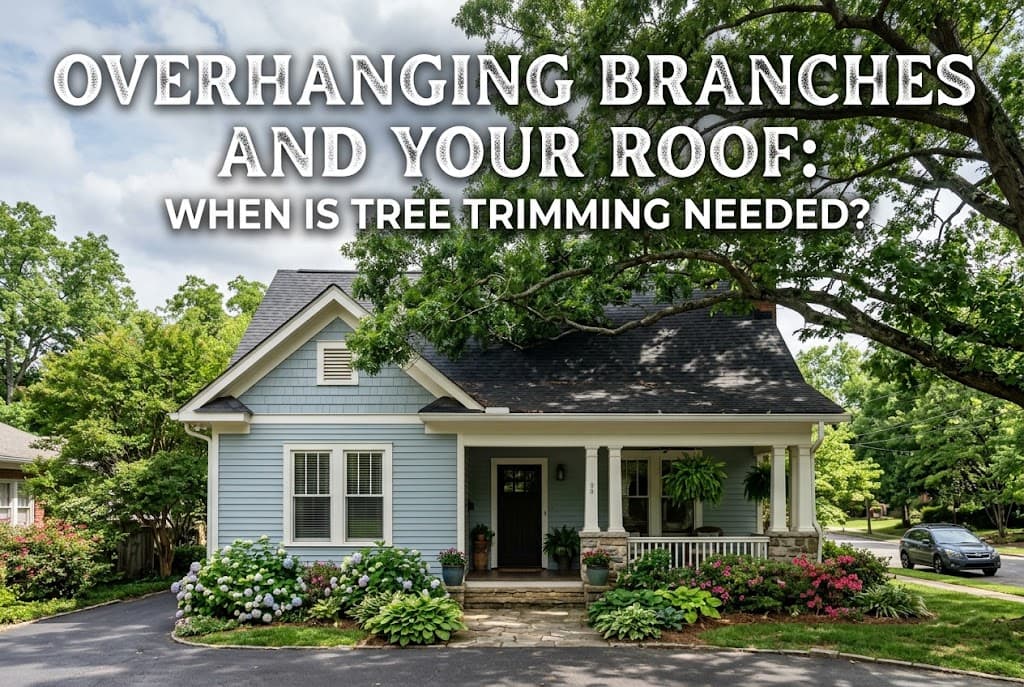
A mature tree outside the foundation line may be worth keeping for shade and character. It may also conflict with a driveway, utility trench, or grading plan. Look at its condition, available growing space, and the work expected around its roots. If a tree has a fresh crack, major deadwood, or unstable lean, discuss its condition before designing the yard around it.
Protecting a retained tree requires more than leaving the trunk standing. Roots extend into the soil that equipment may cross. Repeated traffic, soil stockpiles, trenching, and grade changes can harm the tree. Coordinate protection zones with the builder before clearing begins, and tell each contractor which areas should remain undisturbed. A tree that survives the first week of construction can still decline after root damage.
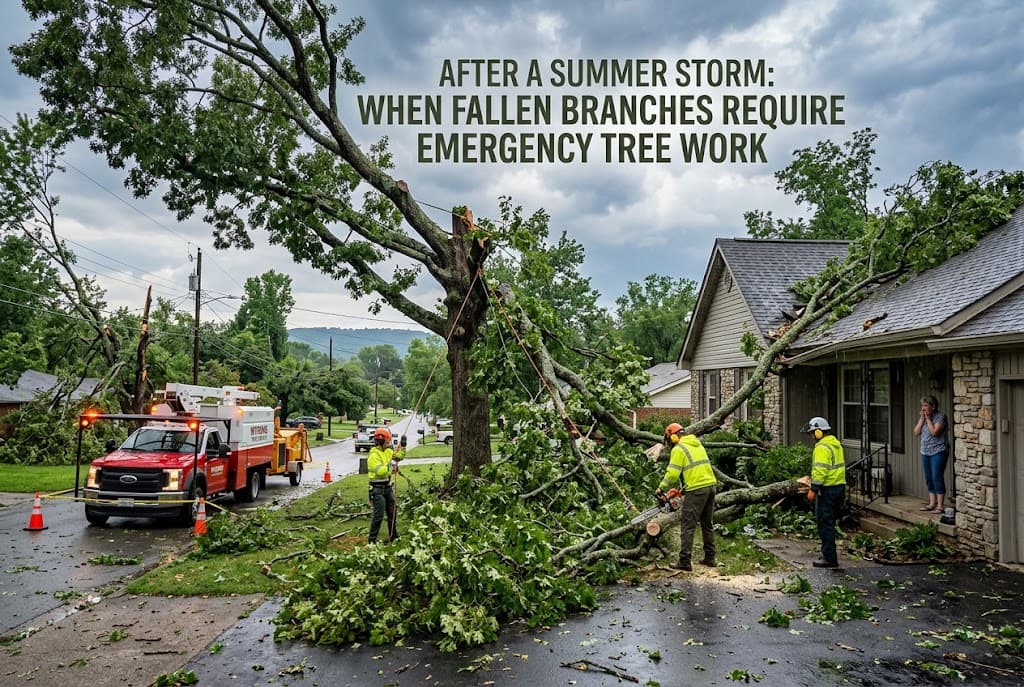
Do not make removal decisions only from how full the canopy looks. A green crown doesn’t rule out a structural defect, and a tree that looks sparse may need a closer diagnosis. A professional assessment can help determine what should stay, what should be pruned, and what should be removed for the project.
Define the stump and root work
Cutting a tree leaves a stump and roots. Stump grinding reduces the stump below the surface but does not excavate every root. That distinction matters when you plan a house, driveway, utility line, or retaining wall in the same area. Ask the builder whether grinding is enough or whether excavation must be included in the construction work.
Identify every stump to be addressed, including old stumps hidden in brush. Ask how deep they will grind and what will happen to the chips. Wood chips and loosened soil may settle over time. A builder or landscaper should specify the ground preparation needed for a foundation, paved surface, or finished lawn.
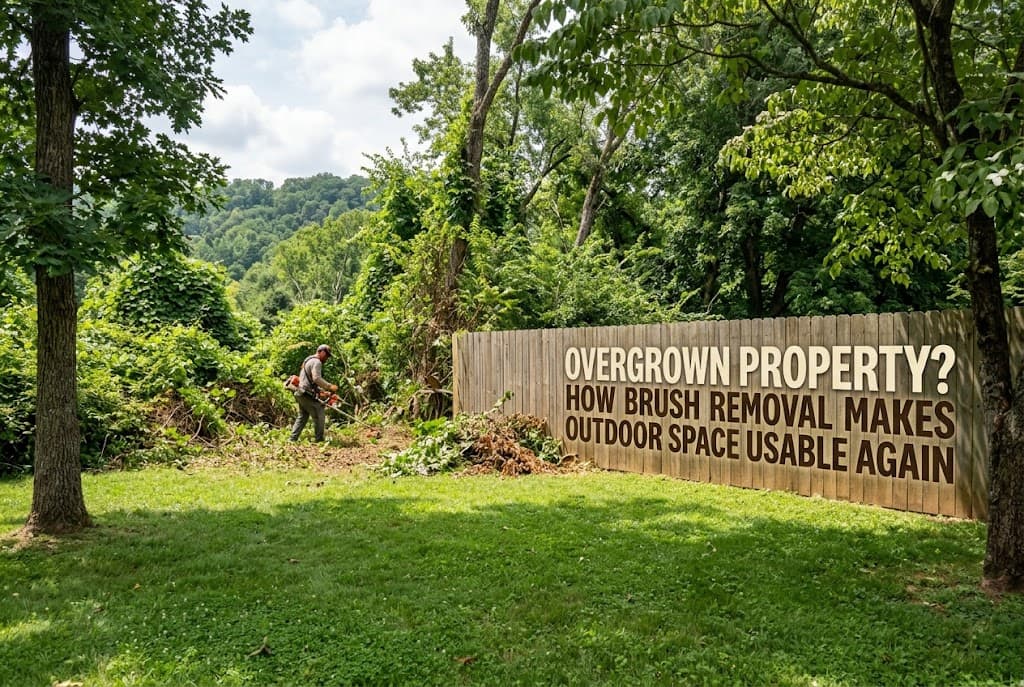
If the lot has fallen logs, an old brush pile, or unrelated discarded material, include it in the estimate. Tree and brush removal does not automatically include all debris. A written scope should say what will be hauled away, left on site, or handled by another contractor.
Plan access and the sequence of work
Show the crew the route equipment can use and the locations of gates, slopes, overhead wires, irrigation, septic components, and known utilities. Coordinate the appropriate utility locating before digging or stump work. If the ground is soft after rain, adjust equipment access to avoid deep ruts or damage around trees that will remain.
Lot clearing should happen after the footprint and preservation choices are clear, but before the builder needs an open work area. Clearing too early may allow vegetation to regrow; clearing too late can delay surveying, grading, or delivery. Ask the project manager to include tree work in the overall schedule and designate who can approve field changes.
Unexpected problems may appear when brush is removed. A concealed stump, buried fence, or additional tree conflict may change the job. Agree on how the crew will document and price work beyond the original scope. The goal is not to predict every discovery, but to make decisions without confusion when one occurs.
Walk the lot before the next contractor arrives
Compare the finished site with the marked plan and written estimate. Confirm that the intended trees were removed, retained trees were respected, and access is open where the builder needs it. Note remaining stumps, chips, logs, or debris and who will address them. If a tree close to the work area shows new damage, raise it before construction activity continues.
Keep before and after photos. They help you explain the site to the builder, utility contractor, and landscaper. A cleared lot may still need grading, erosion control, drainage work, excavation, permits, and other preparation. Ask the builder to confirm readiness for the next phase rather than assuming clearing alone makes it ready to build.
For a future homeowner, the best lot clearing result is a site that supports the house plan and a landscape you can live with. It should make room for construction while retaining appropriate trees when practical. A detailed scope turns that goal into specific work.
Wysong Tree Service can discuss residential lot clearing in Chattanooga and nearby communities. Bring the current site plan, mark trees you want to keep, and explain what the builder needs next to request an estimate for trees, brush, stumps, and cleanup.
Before clearing starts, designate one person to answer questions about the plan while the crew is on site. A homeowner, builder, and designer may each have a different idea of which tree should stay. A single approved plan and decision-maker reduce conflicting directions. Walk the site together when possible, particularly where a tree is close to a planned utility route or driveway. If the decision changes, update the marked plan and written scope before cutting. You can’t restore a tree after it is removed, so a brief pause for clarification is worthwhile.