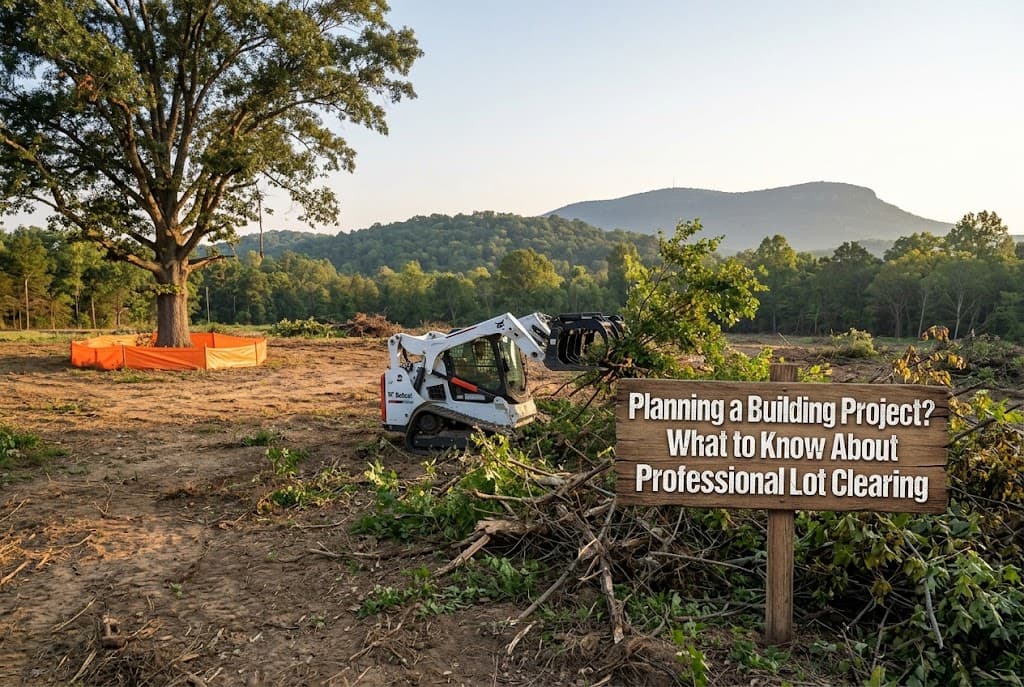
A vacant lot can look ready for a project from the street while hiding a great deal of work. Small trees may cover old fencing. Brush may conceal uneven ground or discarded materials. A mature tree that you want to keep may stand close to the planned work area. Before a new home, addition, or other building project begins, it helps to define exactly what needs clearing.
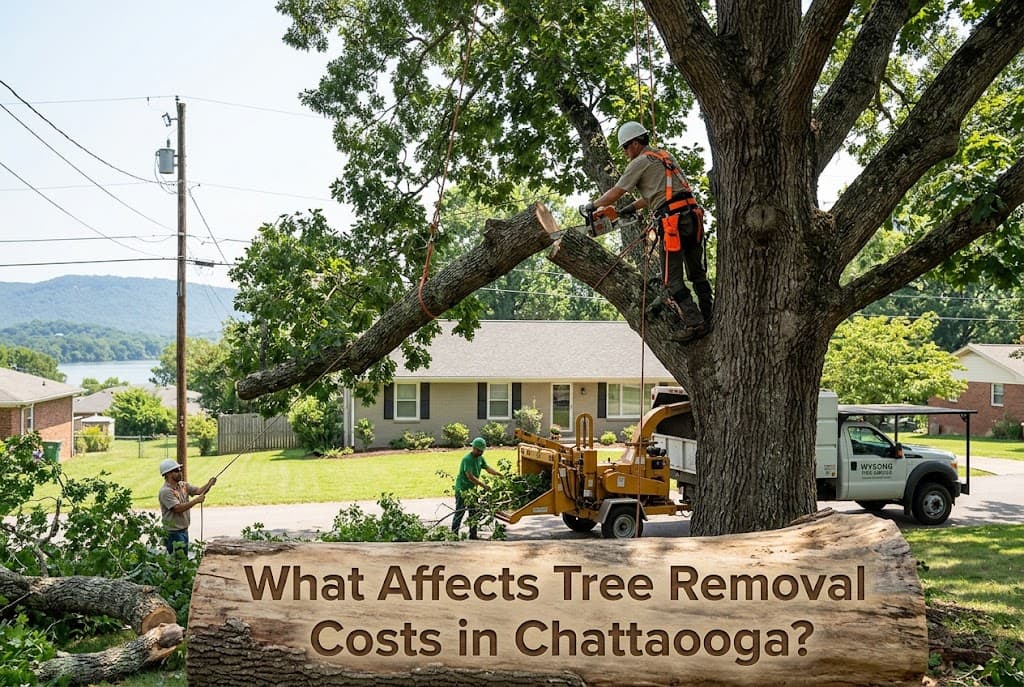
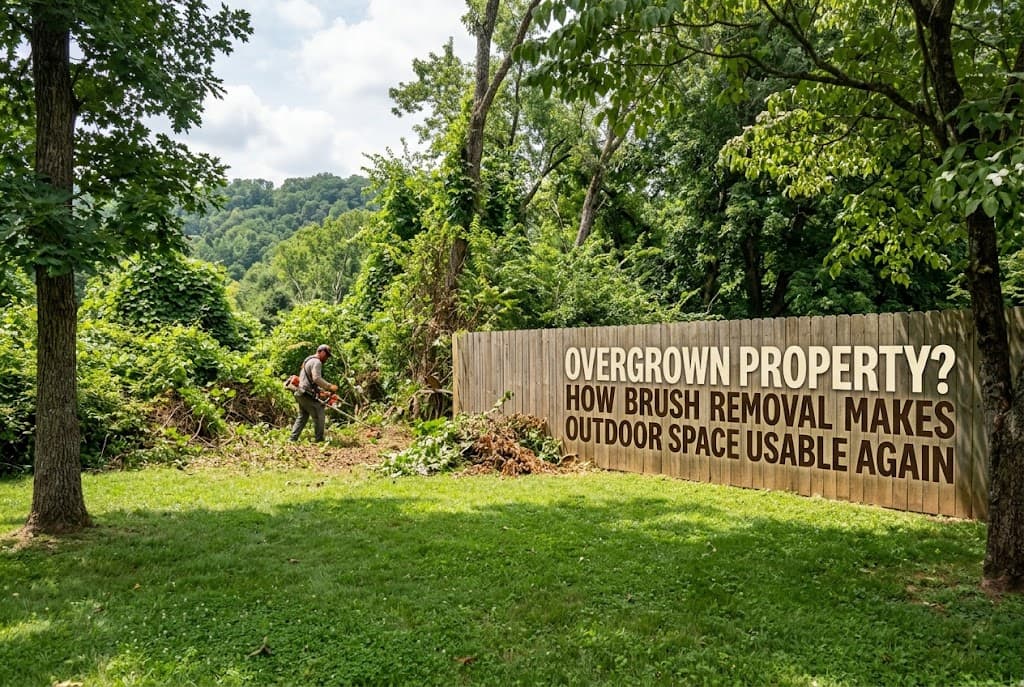
Wysong Tree Service offers lot clearing, tree removal, stump grinding, and brush removal in Chattanooga and surrounding communities. A clear scope makes it easier to prepare a site without removing more than the project requires. Here is what property owners should consider before scheduling the work.
Begin with the project footprint
Bring the most current site plan you have to the conversation. Identify where the building, driveway, utilities, and equipment access will go. The clearing area may be larger than the building footprint because crews need room to work, but that does not mean every tree on the parcel must be removed. Mark areas to preserve as well as areas to clear.
Confirm boundaries before directing work near a property line. A fence, mowing line, or row of vegetation is not always a reliable boundary marker. If the limit is uncertain, confirm it with the appropriate property records or a survey professional before cutting trees. The tree service can then work from a clearly identified area rather than making assumptions on site.
Ask the builder or project manager what condition the site must be in before the next trade arrives. Some projects need only trees and brush removed; others need stumps ground, and debris hauled away. Grading, excavation, and utility installation are different steps. Clarify who handles each step so the site isn’t left in a condition that delays the project.
Decide which trees to keep
A mature tree may provide shade and character to a finished property. Keeping it takes more than drawing a circle around its trunk. Roots extend beyond the visible base, and repeated vehicle traffic, soil stockpiles, trenching, or grade changes can damage the area that supports the tree. If preserving a tree matters to the design, discuss its protection before equipment enters the site.
Also consider the tree’s condition and location. A tree that stands directly where the driveway must go may be impractical to retain. Another could remain if access and grading are adjusted. An assessment can help identify obvious structural defects and explain whether a tree is a good candidate for preservation. Do not assume that a leafy canopy means its roots will tolerate construction activity.
Tell every contractor which trees are to remain. Ask the project team how they will mark and protect those areas. Coordinate tree clearing and tree protection early; trying to protect roots after machinery has crossed them repeatedly is much harder.
Understand what lot clearing can include
The phrase “lot clearing” can cover different combinations of work. One estimate may include cutting and removing trees, clearing small growth, and hauling branches. Another may also include stump grinding. Large stumps, brush piles, and buried debris may be priced separately. Ask for a written description of the work so you know what the ground will look like afterward.
Discuss where logs, chips, and other material will go. Some owners want usable wood left on site; others need the parcel cleared for the next contractor. If the job includes an existing pile of debris, note it in the estimate. Clearing vegetation and disposing of unrelated dumped material may be separate tasks.
Access affects the plan. A narrow gate, steep slope, soft ground, nearby structures, or overhead wires may change what equipment you can use. Show the crew any known underground utilities, drainage features, septic components, or irrigation lines. Coordinate required utility locating with the appropriate service before digging or stump work begins. The clearer the site information, the fewer surprises during the job.
Schedule the work in the right order
Lot clearing should fit the overall construction timeline. If clearing happens too early, fast-growing vegetation may return before work starts. If it happens too late, the builder may be waiting on access. Confirm when the site plan is firm enough to identify what stays and what goes, then coordinate the tree work with surveying, utility work, grading, and construction.
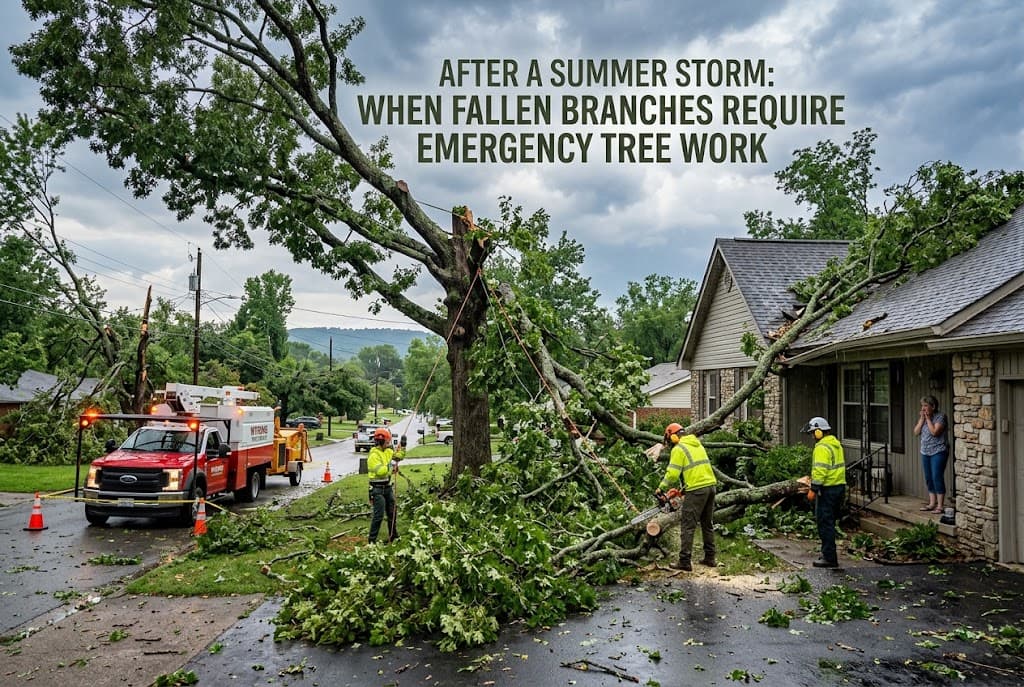
Weather and ground conditions can also affect access. Heavy equipment on soft soil may leave ruts or compact ground around trees you intend to keep. Ask how the crew will approach the work area and whether any part of the site should be avoided until conditions improve. If a hazardous tree threatens a structure or access route, address that concern on its own timetable.
Do not rely on a general statement that a parcel will be “ready to build” without defining the next step. Tree and brush clearing can open the site, but the builder may still need grading, drainage design, permits, and foundation preparation. Assign responsibilities to the right professionals.
Review the site when clearing is complete
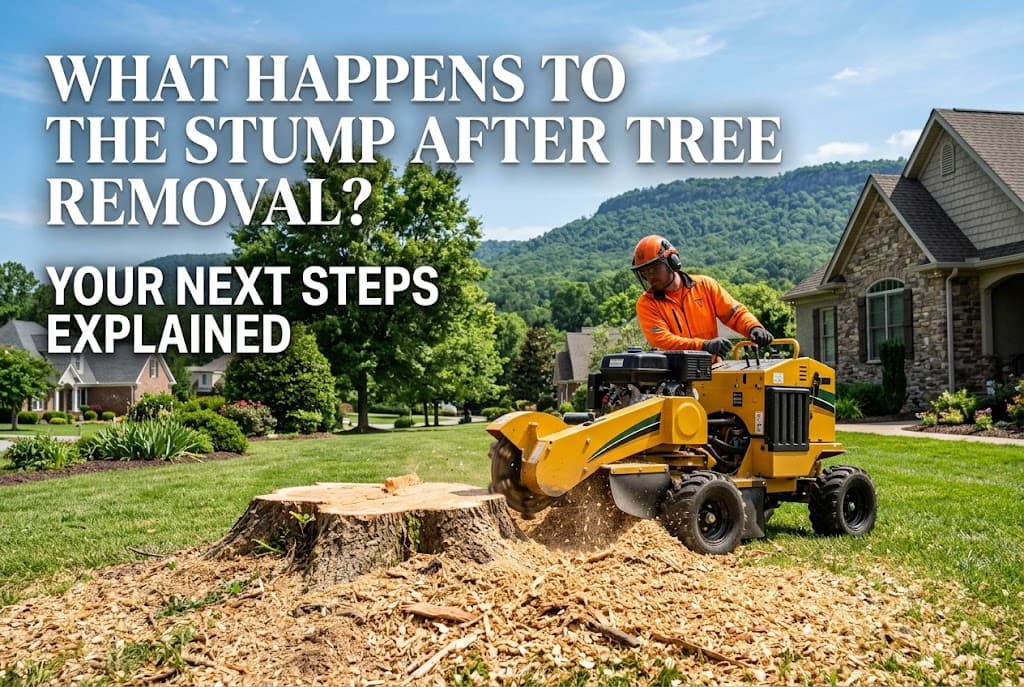
Walk the site with the agreed scope in hand. Check that the marked vegetation was removed and the trees designated to remain were respected. Confirm where stumps remain, whether chips or logs were left as requested, and whether equipment access is still available for the next contractor. If a stump is located where a structure or paved surface is planned, ask the builder whether additional excavation is required beyond grinding.
Keep before and after photographs and the written scope with your project records. They make later conversations with the builder and landscaper easier. If the design changes, revisit the tree plan before additional work begins, rather than letting different crews make separate assumptions.
Wysong Tree Service helps Chattanooga area property owners clear trees and brush for the next stage of a project. Contact the team with your site plan, access details, and preservation goals to discuss lot clearing and request an estimate.
Before signing off on the work, ask how the crew will handle changes if they find something unexpected under the brush. An old fence, dumped material, or an additional stump may fall outside the original scope. A clear process for documenting and pricing extra work helps keep the project moving. Also ask who will confirm that the site is ready for the next contractor. The clearing crew can report what it removed, while the builder or project manager should confirm whether the remaining ground meets the construction plan. Those are related decisions, but they serve different purposes.
If the property has neighbors close to the work area, highlight shared access and nearby improvements in the estimate. Mark gates that must stay usable and discuss where equipment and material can be placed. This makes coordination easier and reduces disruption. A thoughtful clearing plan protects useful trees and gives the construction team a site it can understand.